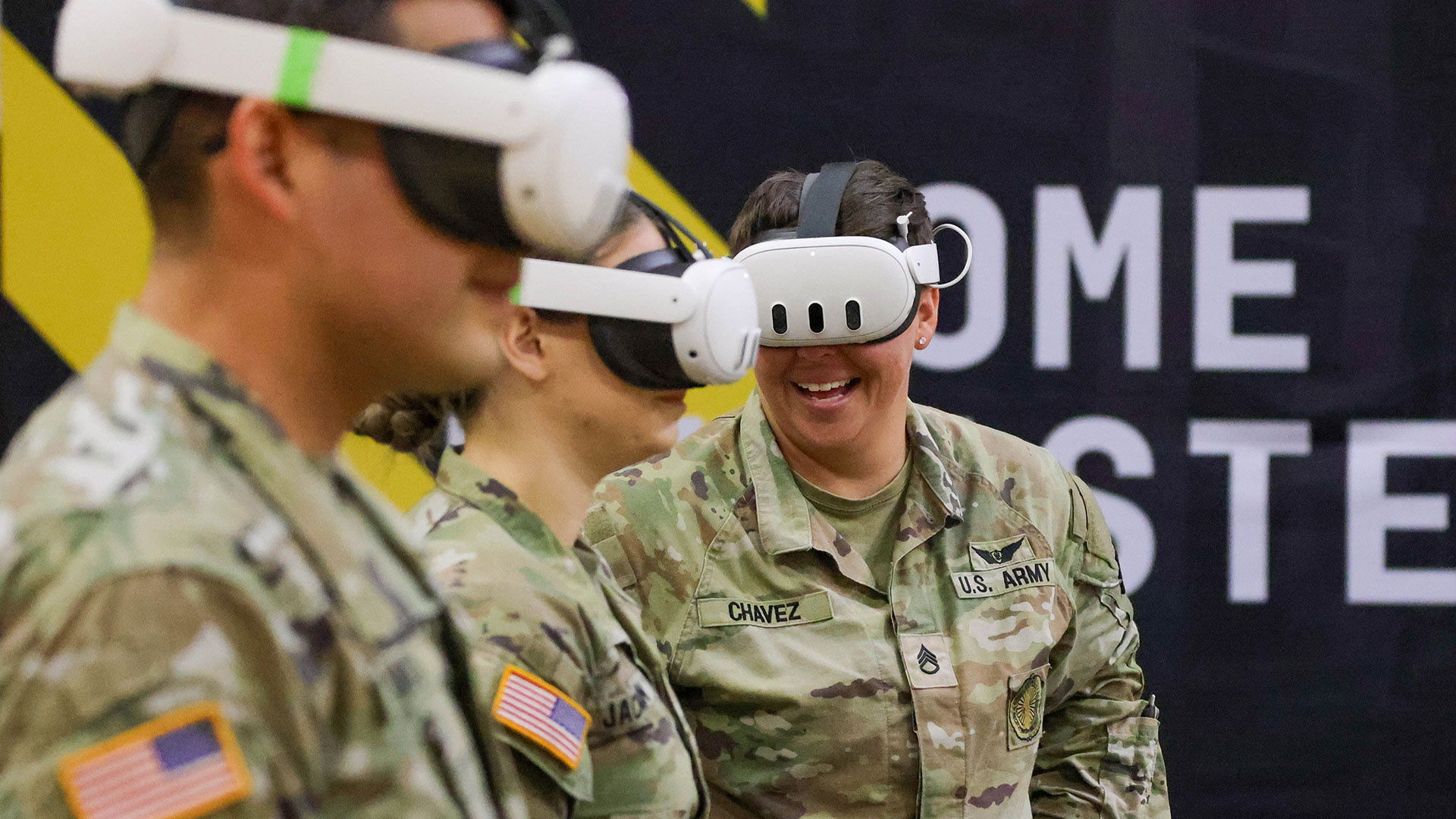
In collaboration with The Marketing Arm and Team DDB, Groove Jones created Disasterville with a bold mission: to immerse high school students directly in realistic disaster-response scenarios, allowing them to experience firsthand the challenges, teamwork, and purpose behind the Guard’s work. This mixed-reality experience serves as both an educational and recruitment tool under the ARNG’s “Uncommon Is Calling” campaign. Full case study - https://www.groovejones.com/disasterville-mixed-reality-experience-army-national-guard

The Challenge
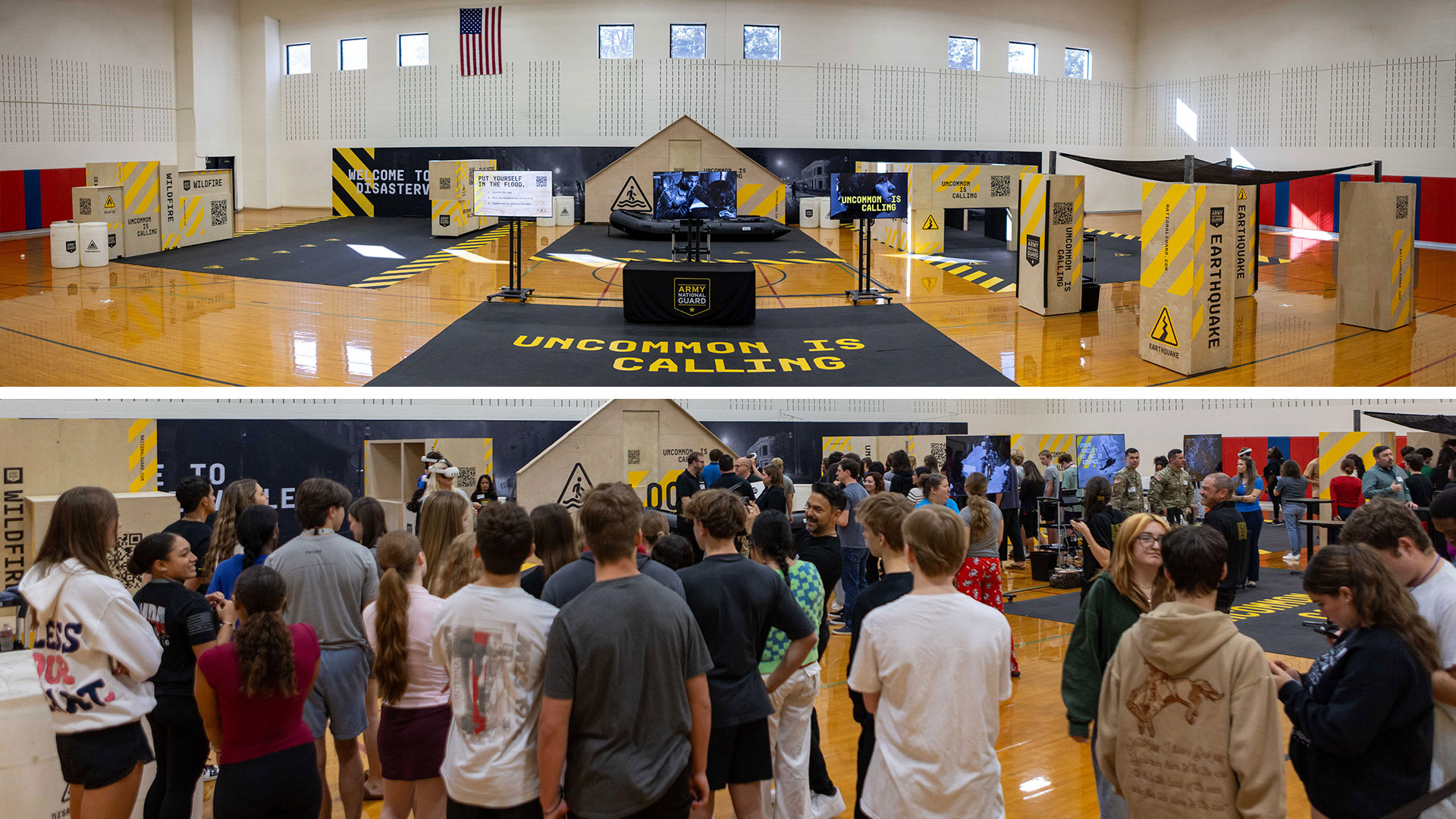
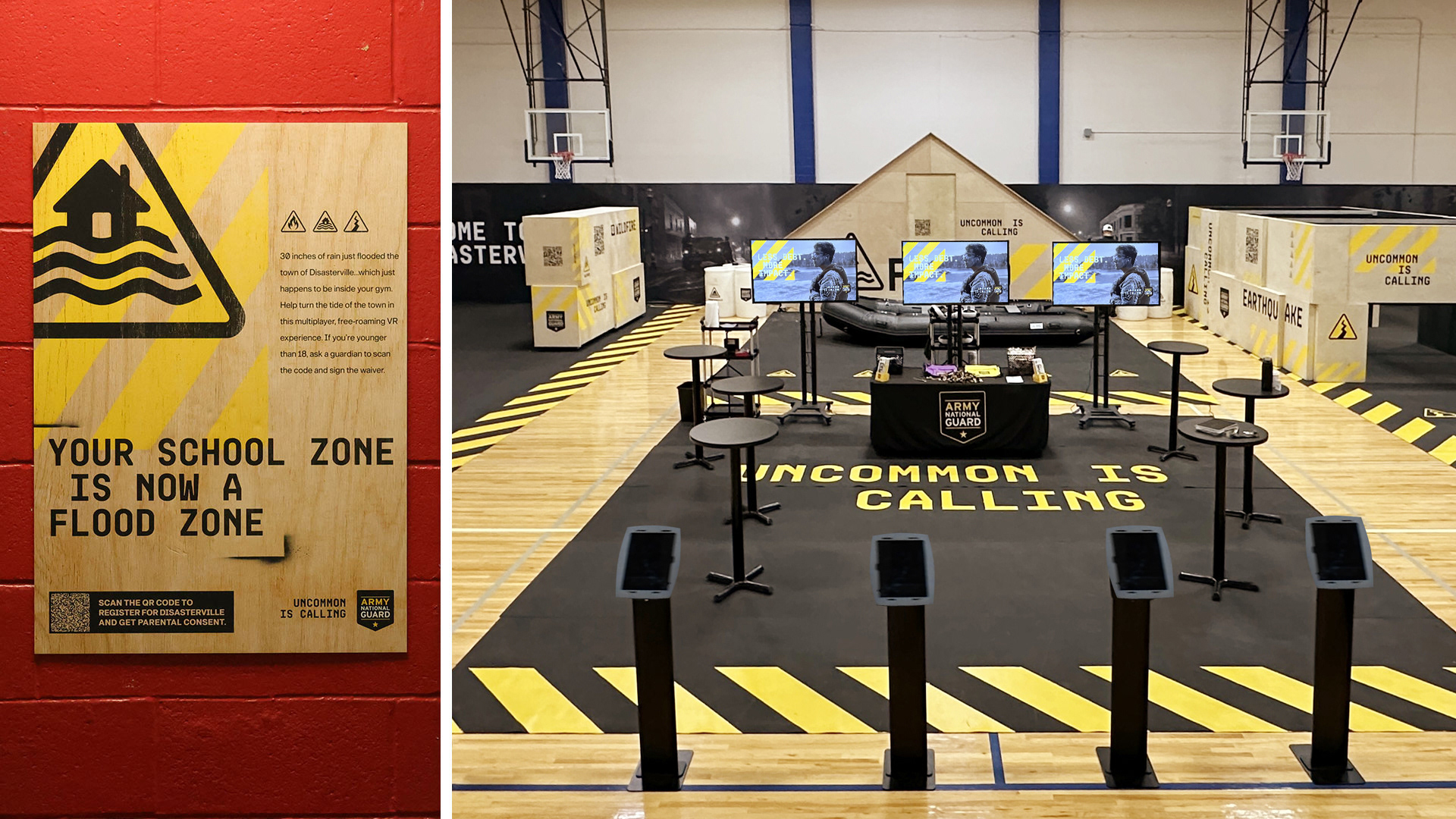
The Army National Guard needed a recruiting and outreach initiative that would captivate students and schools by placing them at the heart of disaster response. The goal was to show—not just tell—how the Guard makes an impact in communities. The solution had to be modular and scalable, able to travel to venues nationwide, and capable of being set up quickly in places like high-school gyms. The experience also needed to deliver realistic immersion, combining digital environments with physical props, all while supporting multiple simultaneous participants.
The Experience
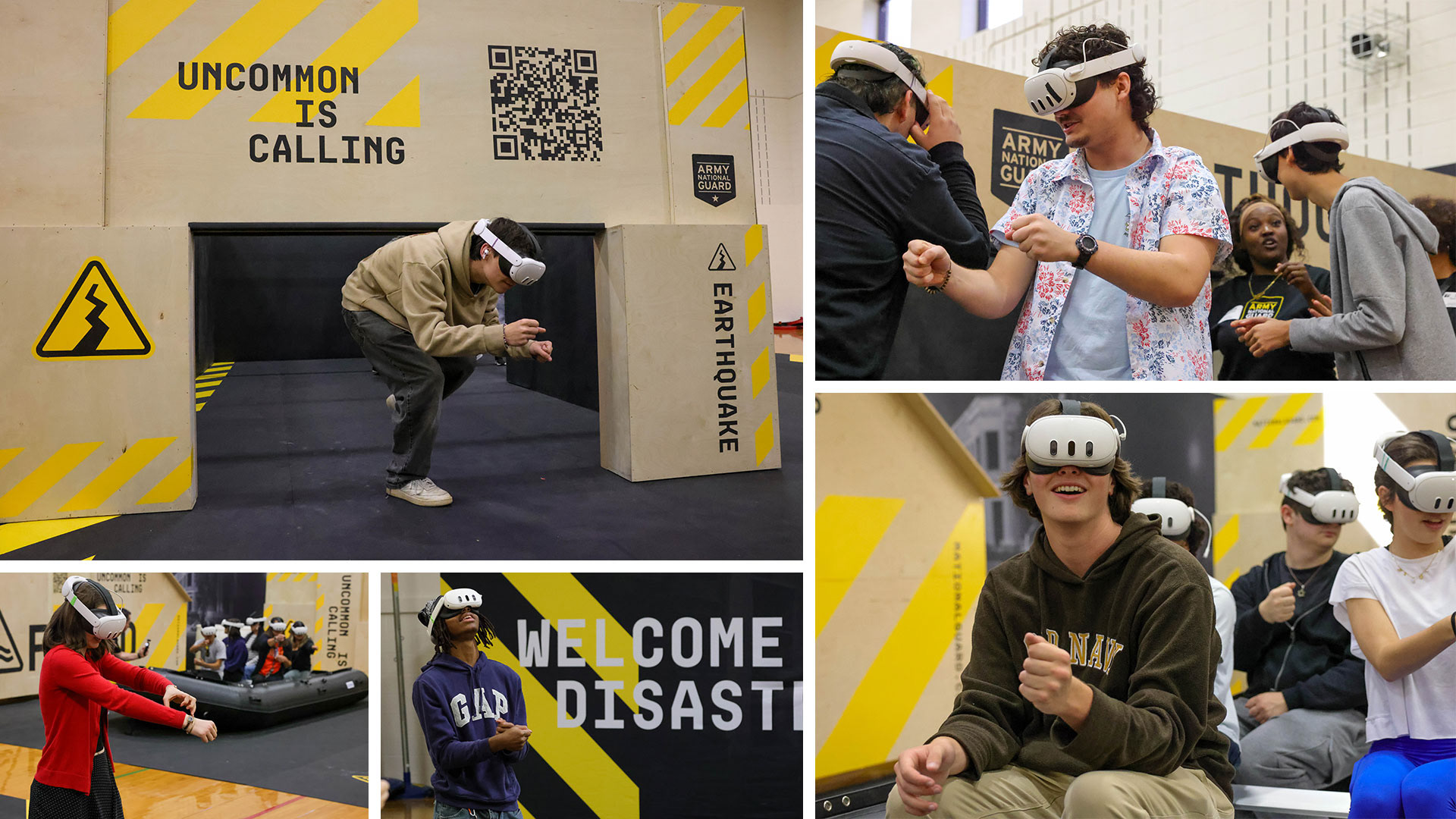
Groove Jones built Disasterville around a suite of three distinct multiplayer missions — Flood Zone rescue, Wildfire containment, and Earthquake response — each designed to transport up to five players into a vivid, high-stakes disaster scenario.
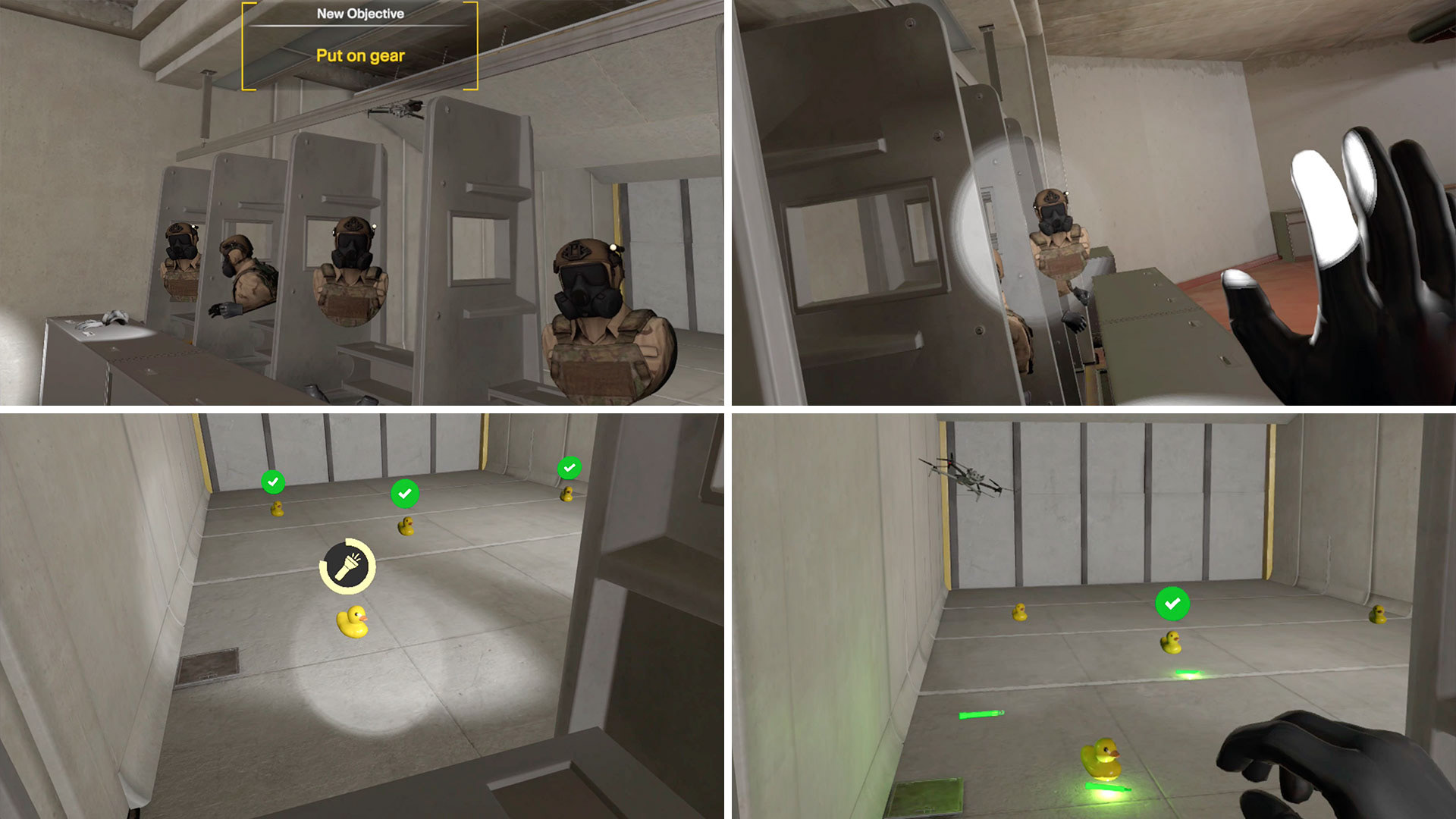
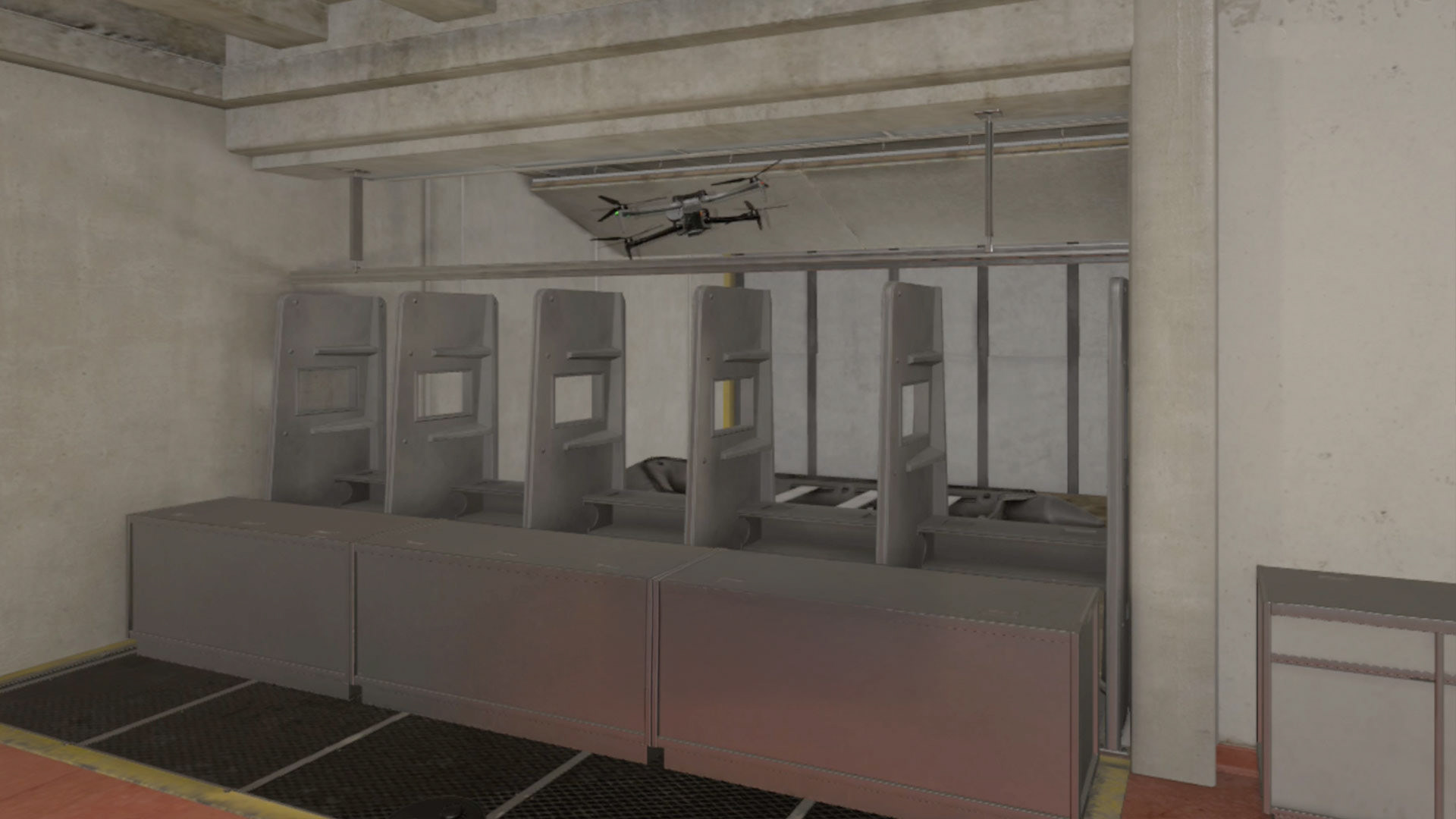
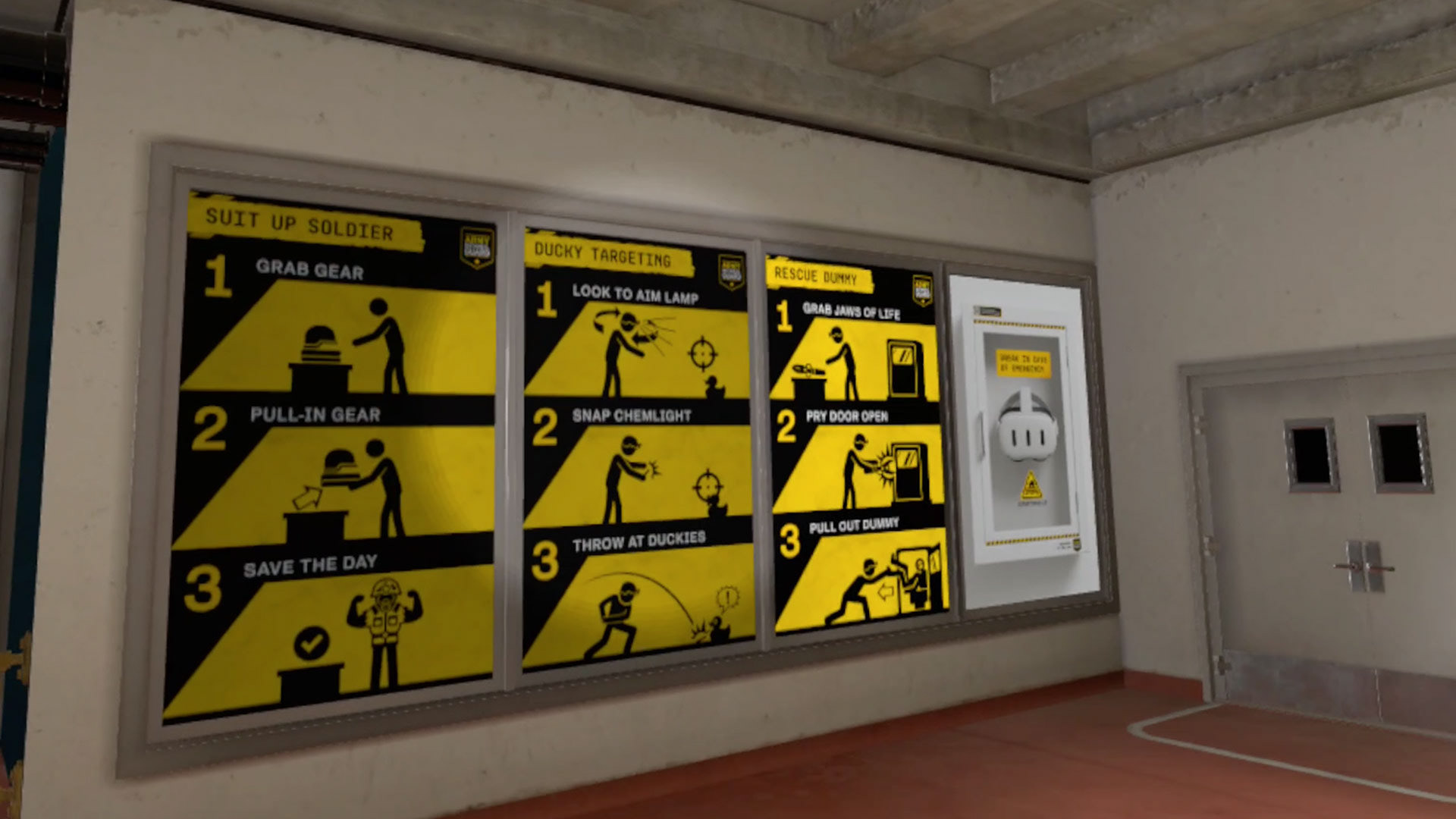
At the start, participants enter a VR training room. A drone called “Eagle Eye” guides them step-by-step: equipping safety gear, learning to use tools, and familiarizing themselves with the controls. Once trained, the setting dissolves into a full disaster zone and the team begins their mission. They must cooperate, communicate, and act under pressure — rescuing civilians, mitigating hazards, and achieving their mission objectives within a limited timeframe.
Select Missions
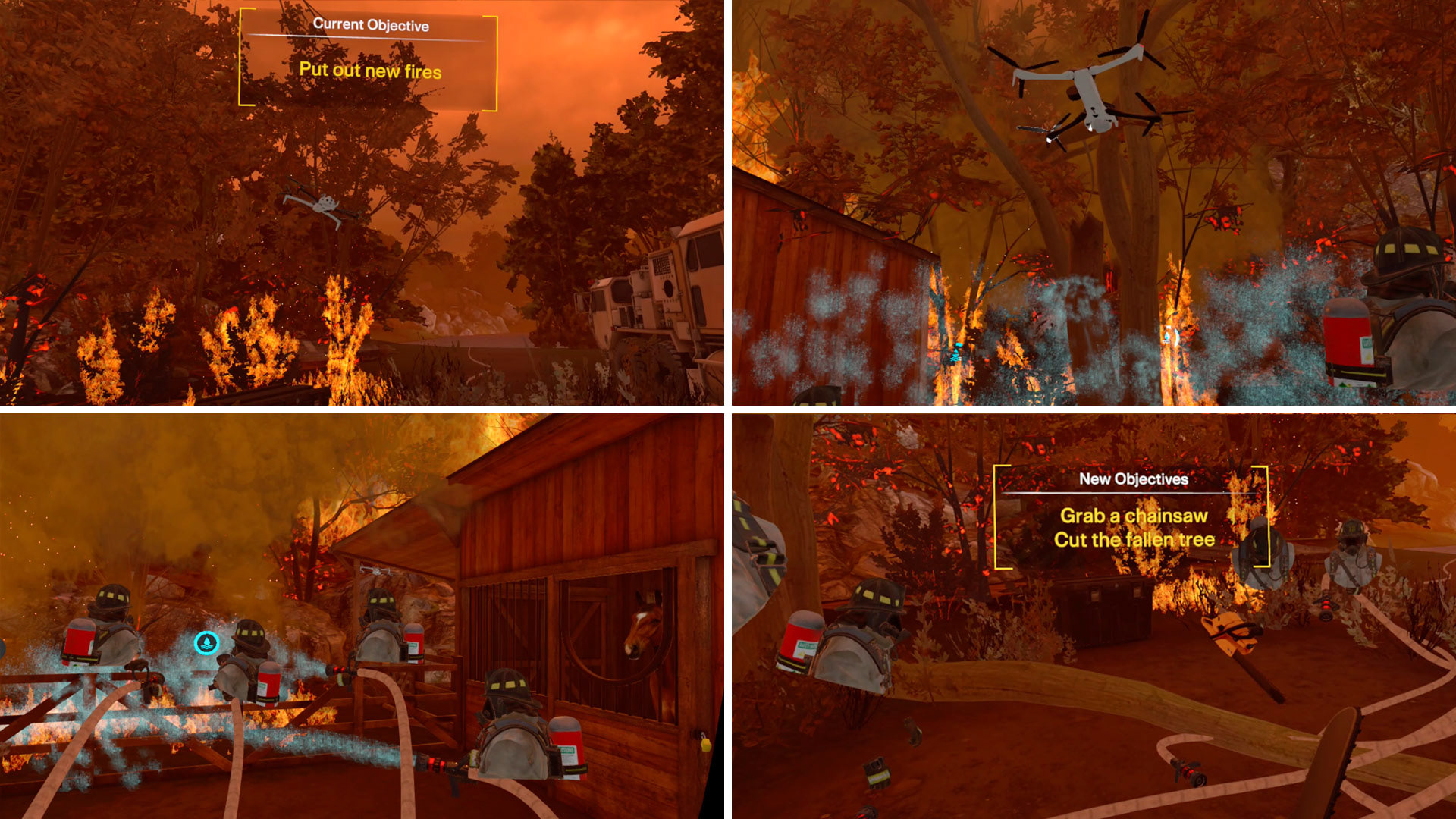
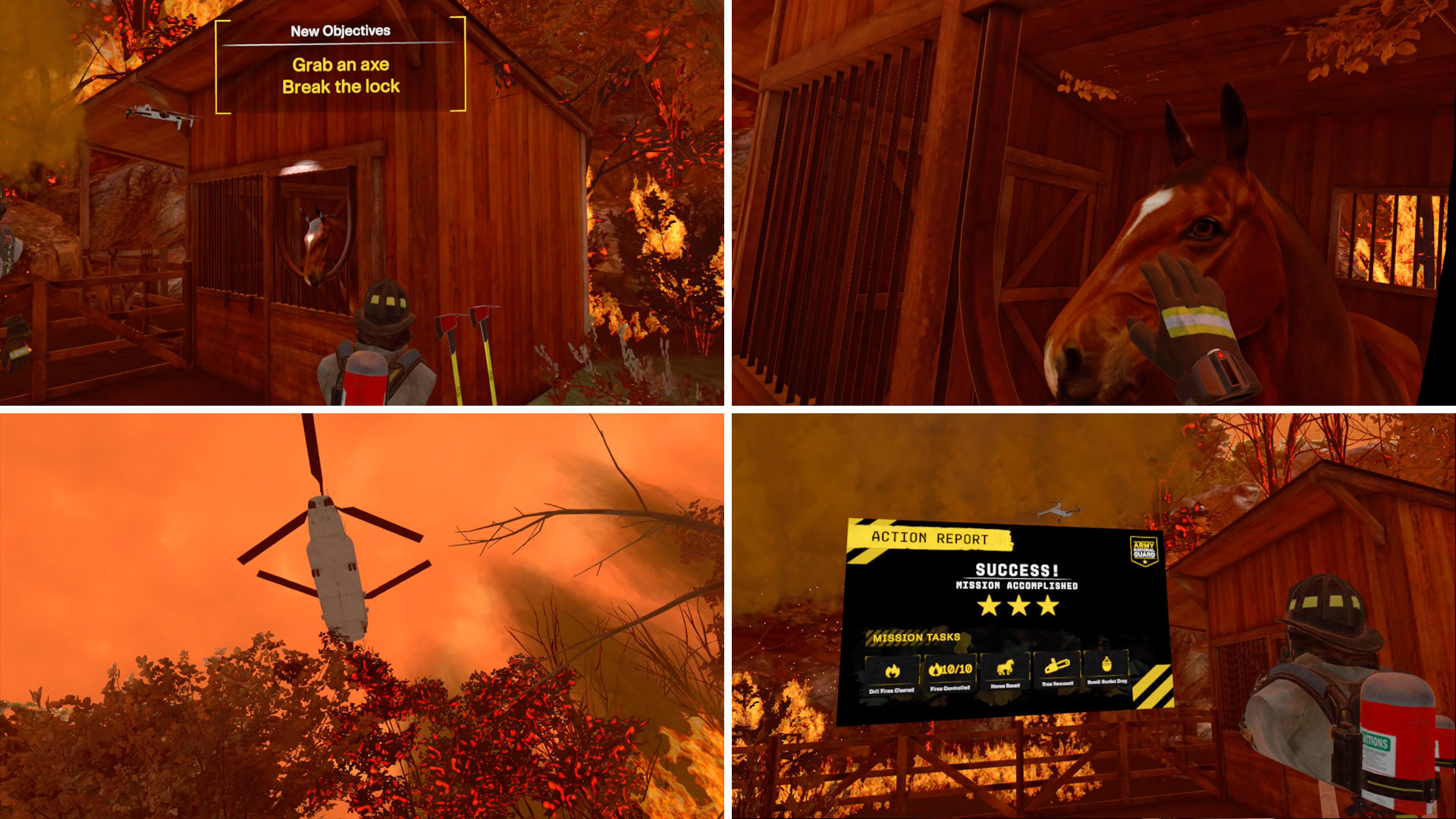
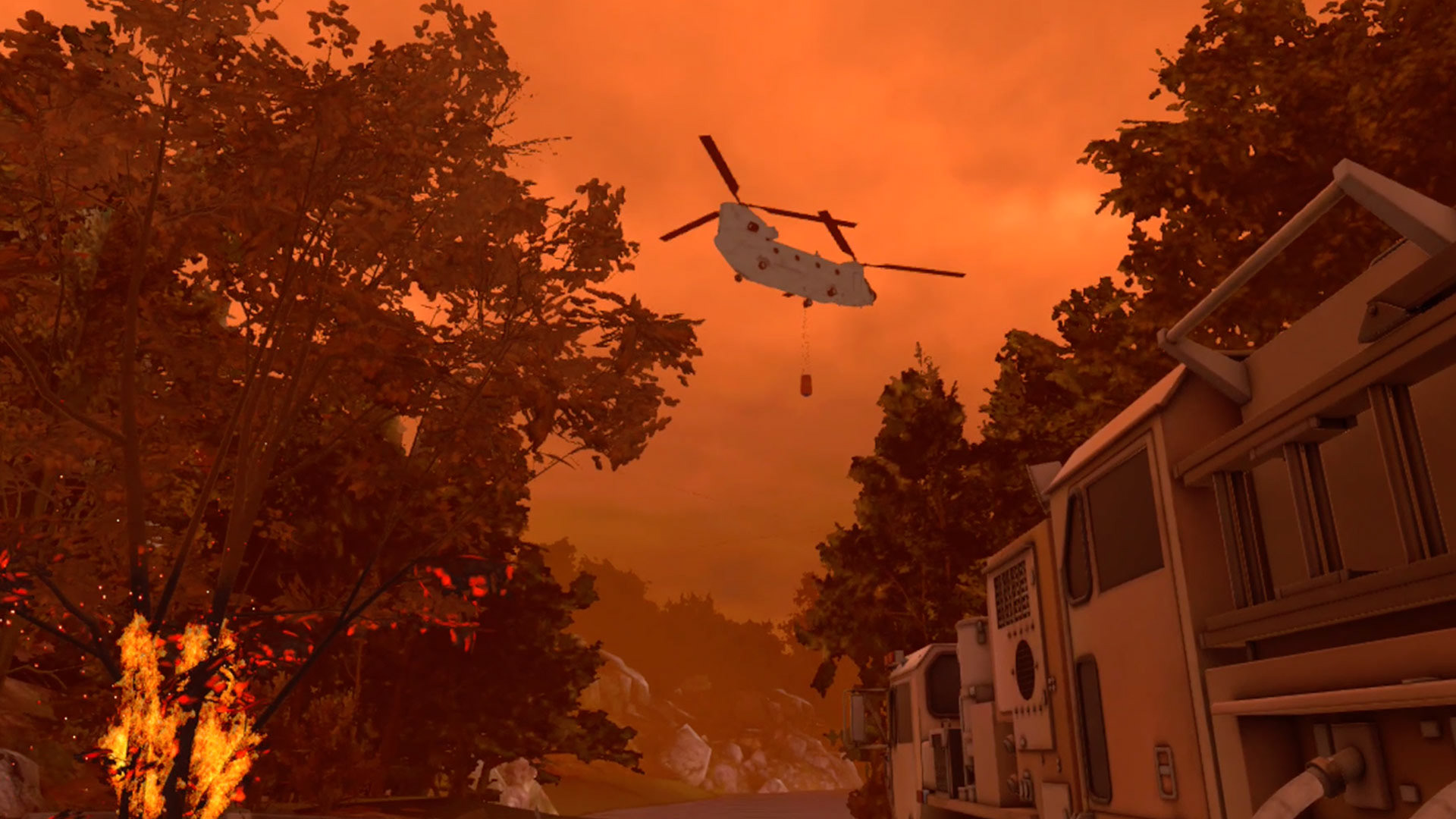
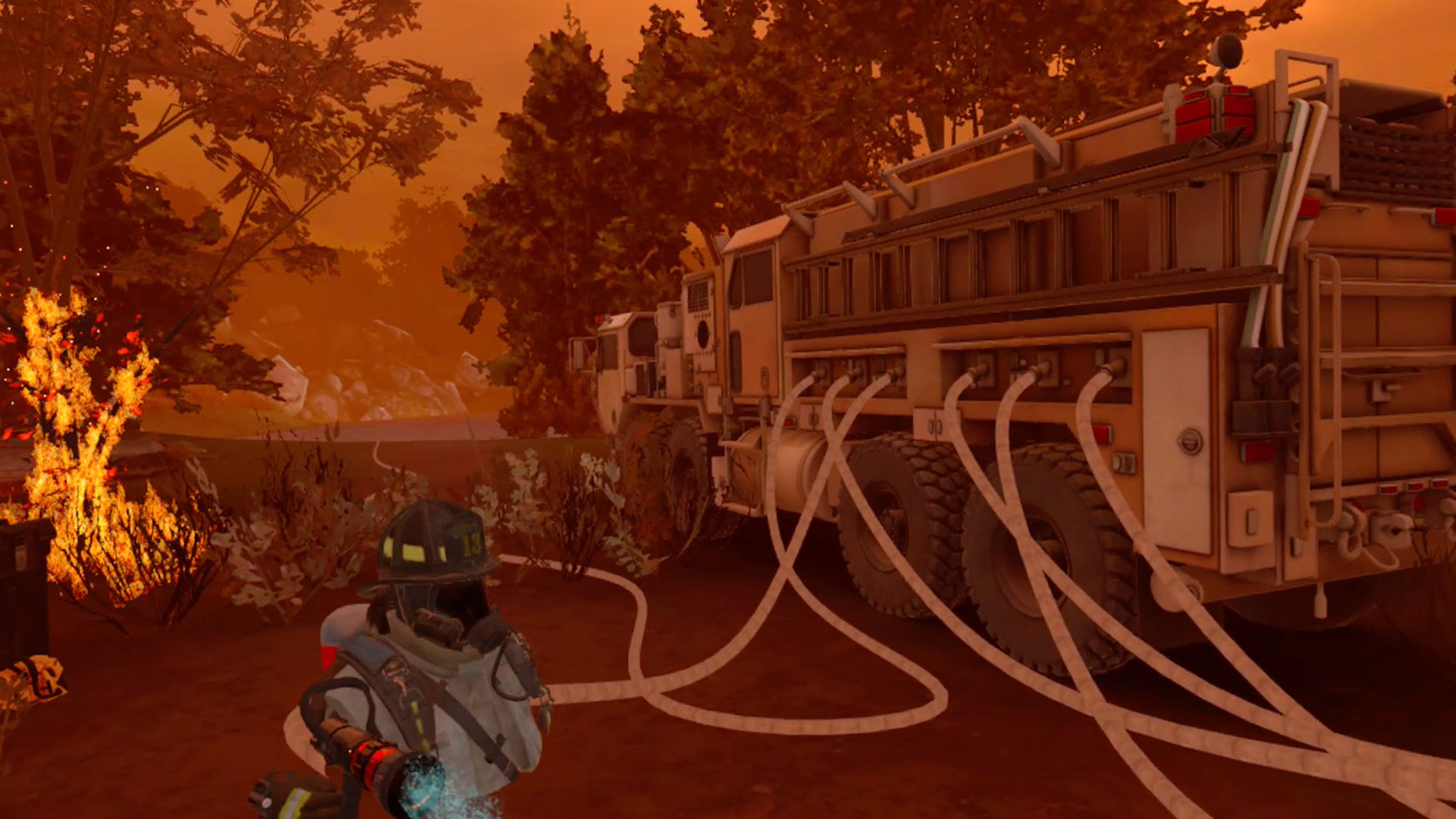
Wildfire Danger: Participants don firefighting gear, wield virtual hoses to extinguish spreading fires, rescue a trapped horse, cut through fallen trees to restore water supply, and call in an aerial water drop using a laser-targeting tool. Success is measured by actions such as saving the horse and executing the drop precisely.
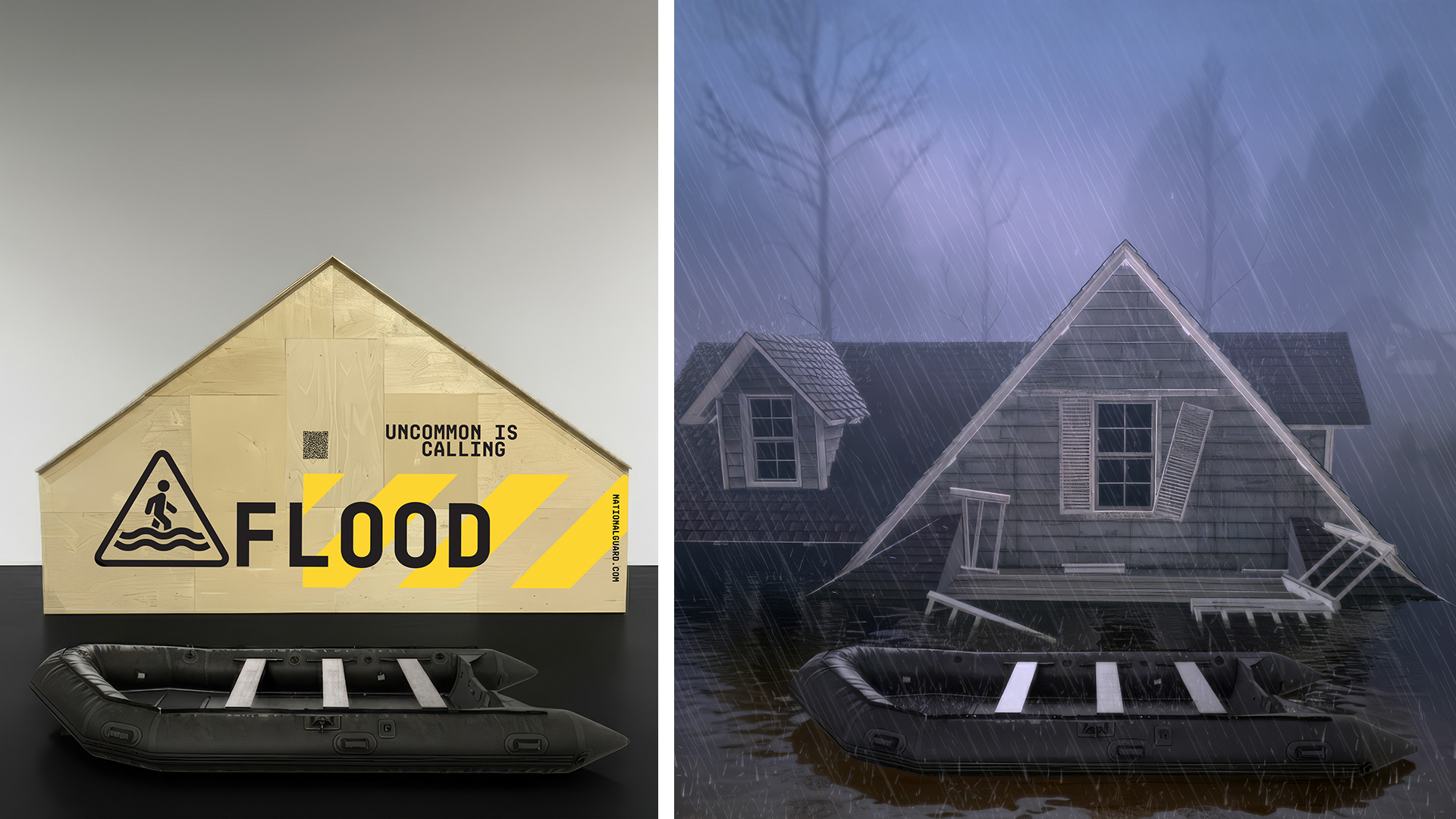
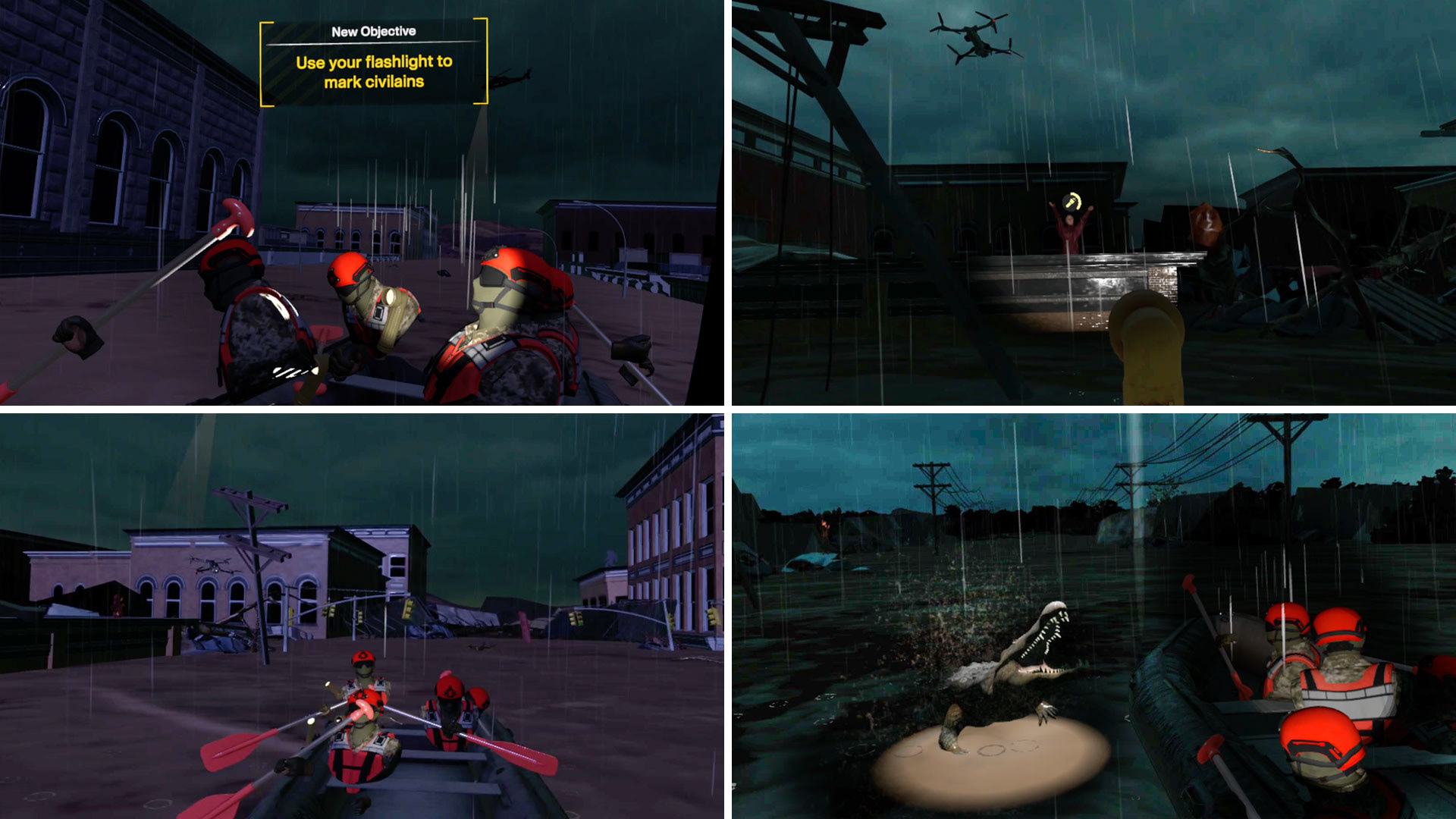
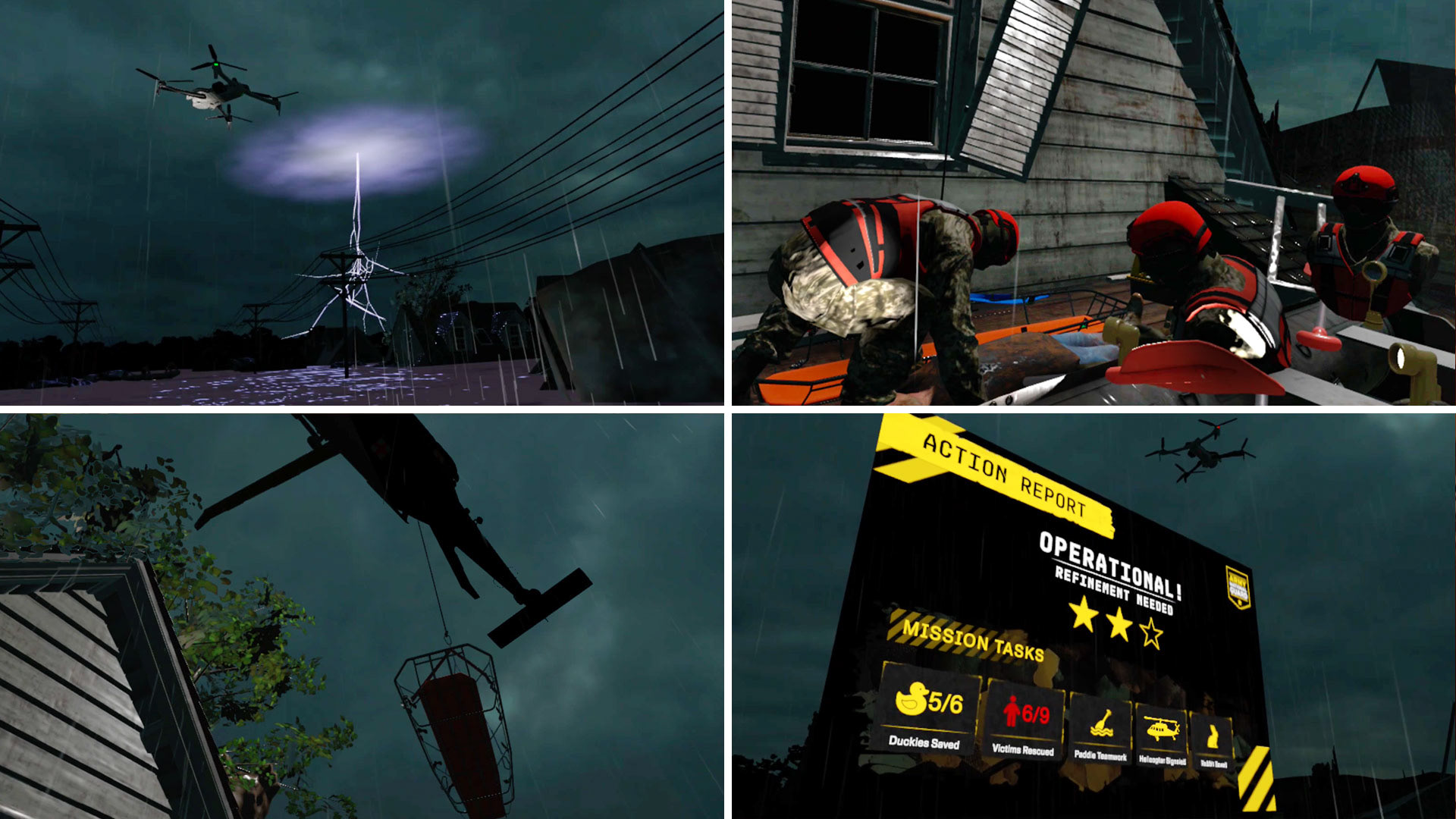
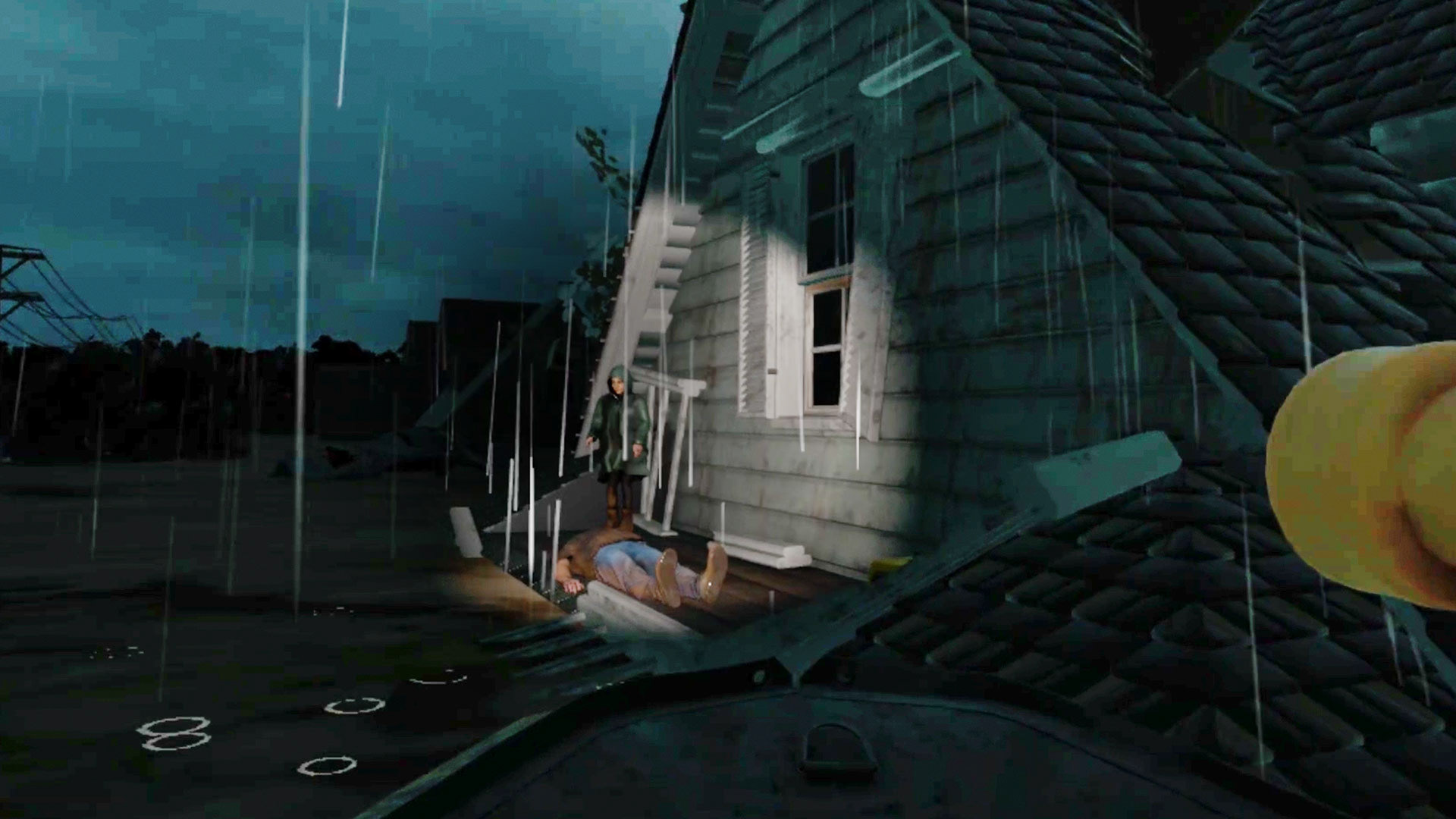
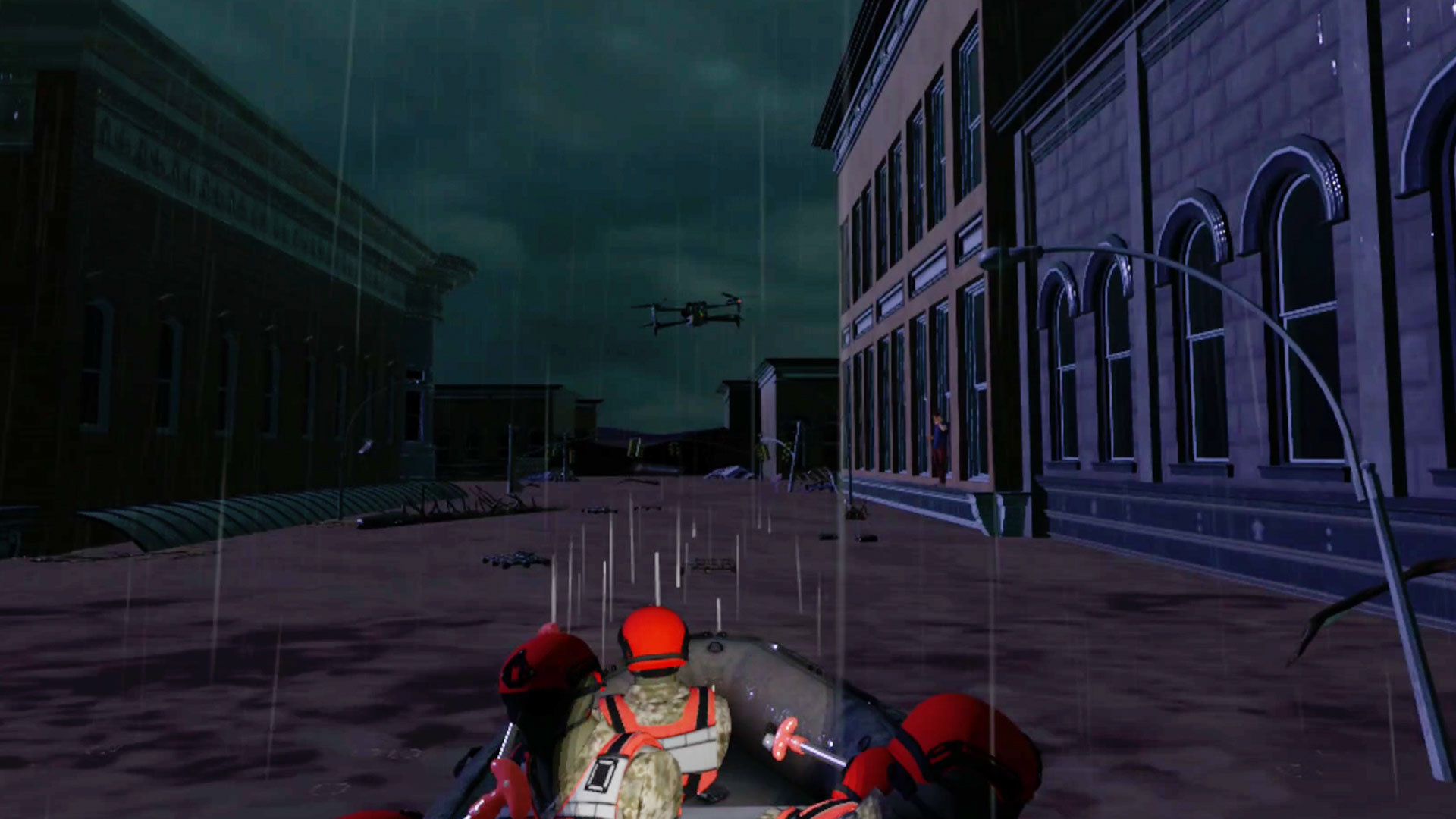
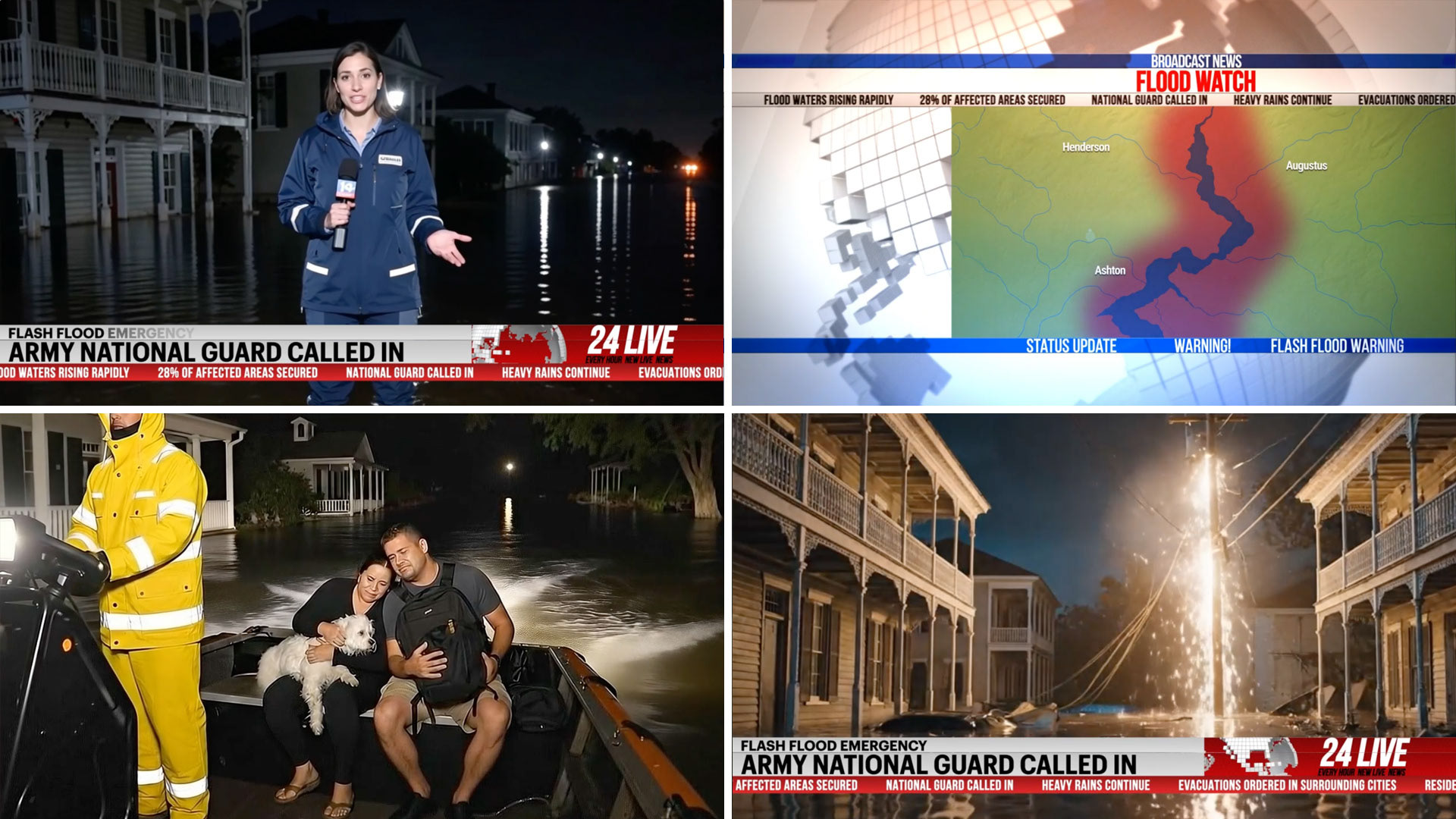
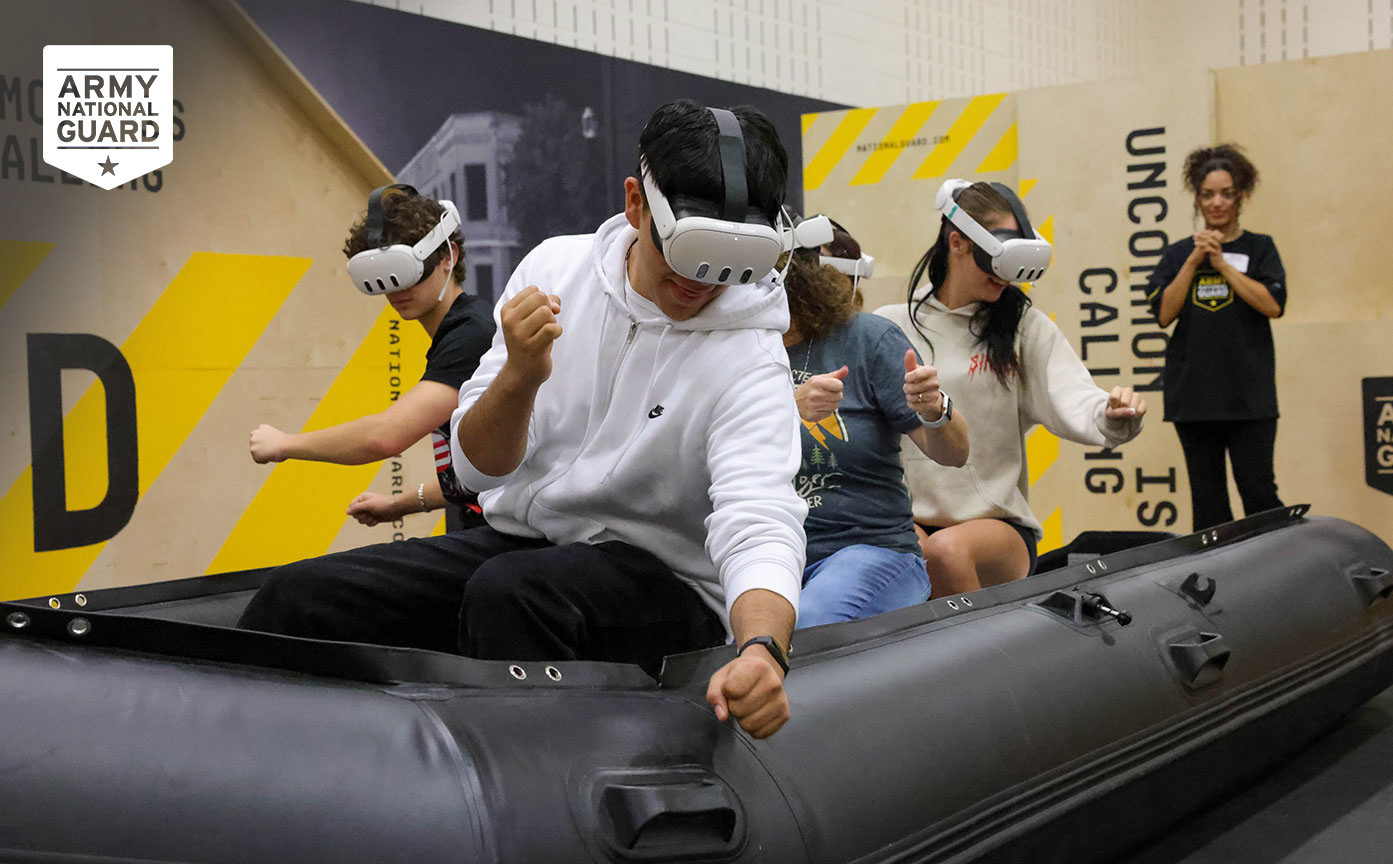
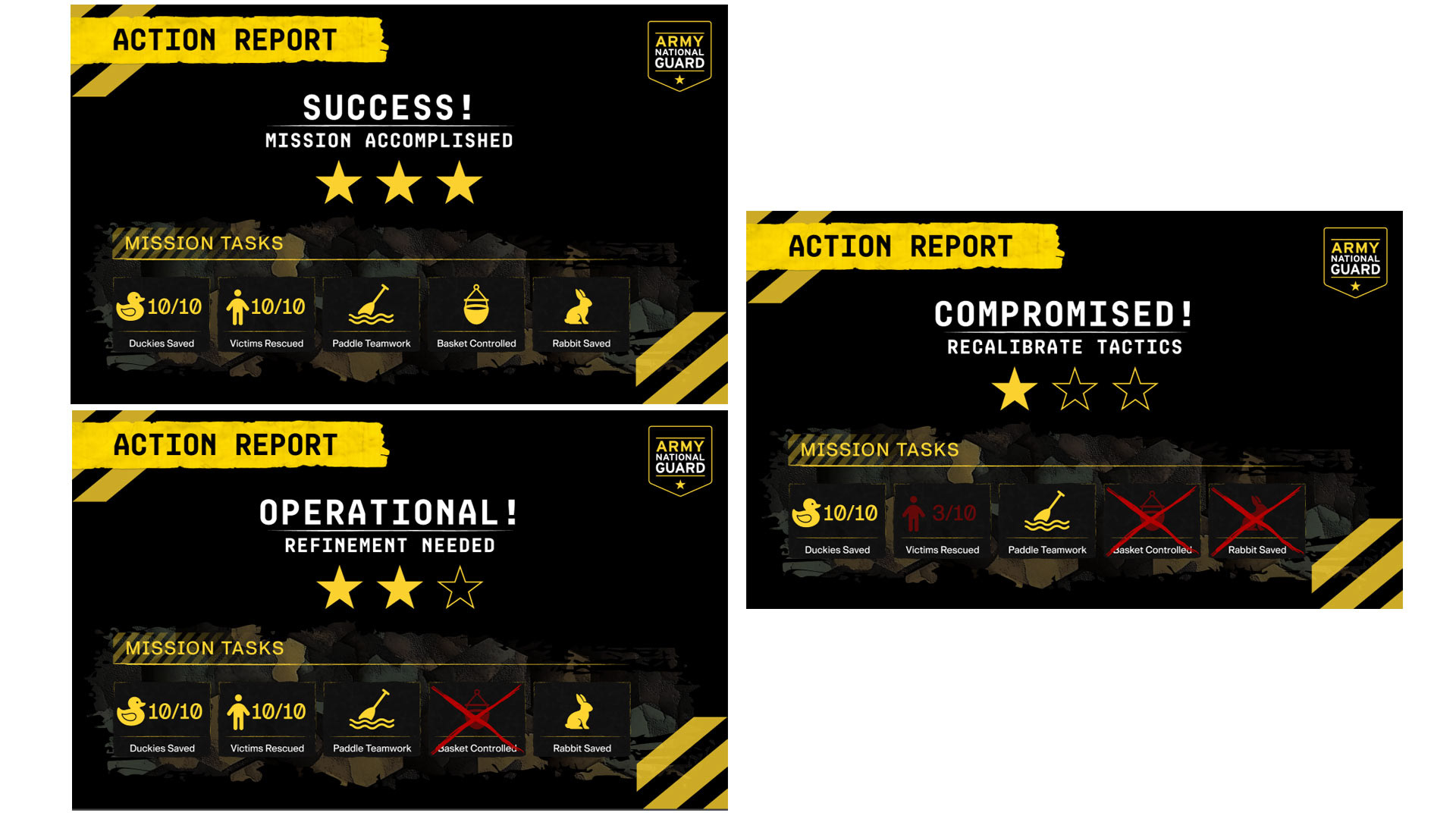
Flash Flood Emergency: Teams navigate a real physical Zodiac boat (mirrored digitally in VR), use virtual flashlights to locate and “rescue” civilians represented by markers, dodge flood debris, and save a stranded family and even a pet rabbit before the environment collapses.
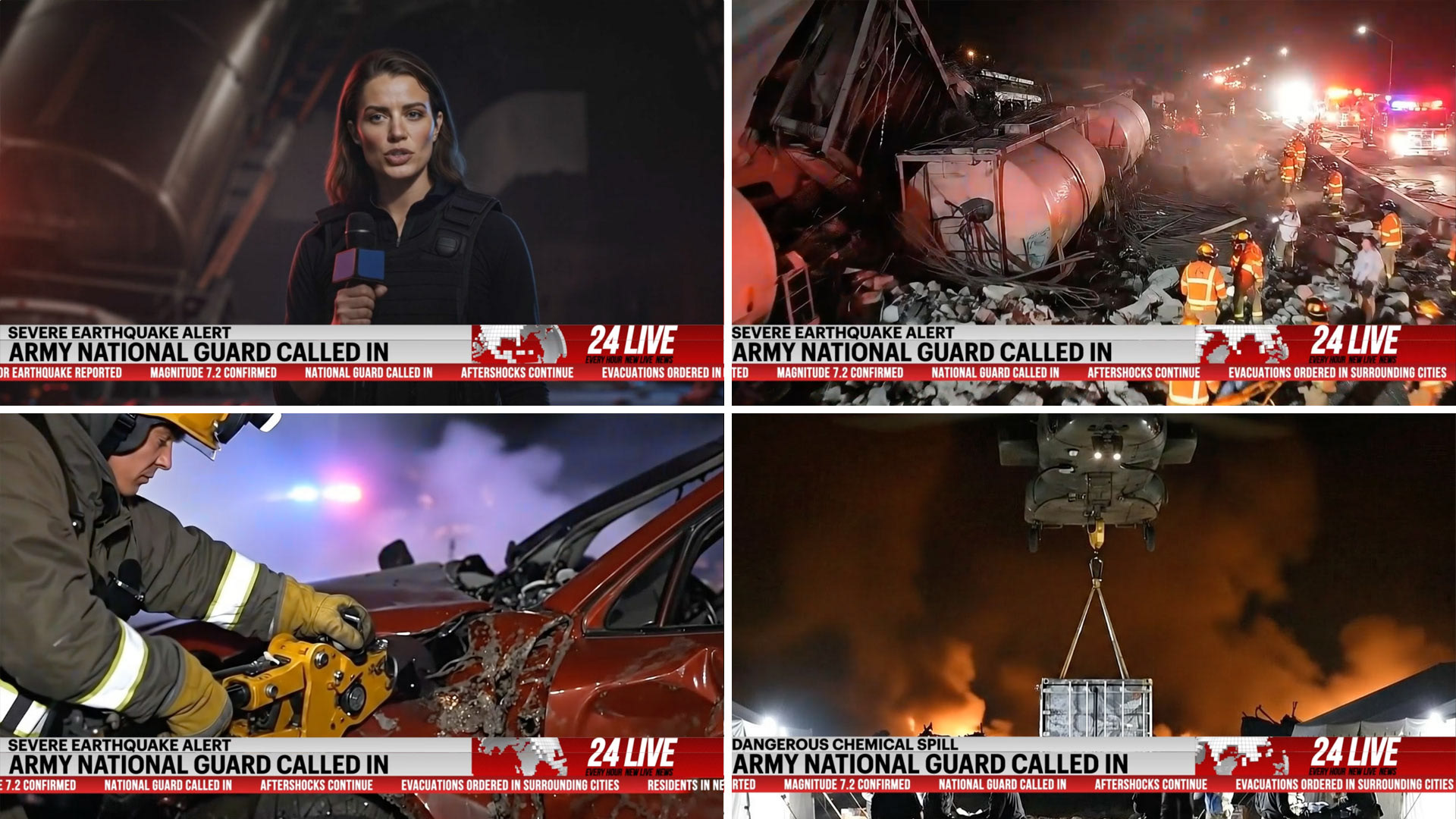
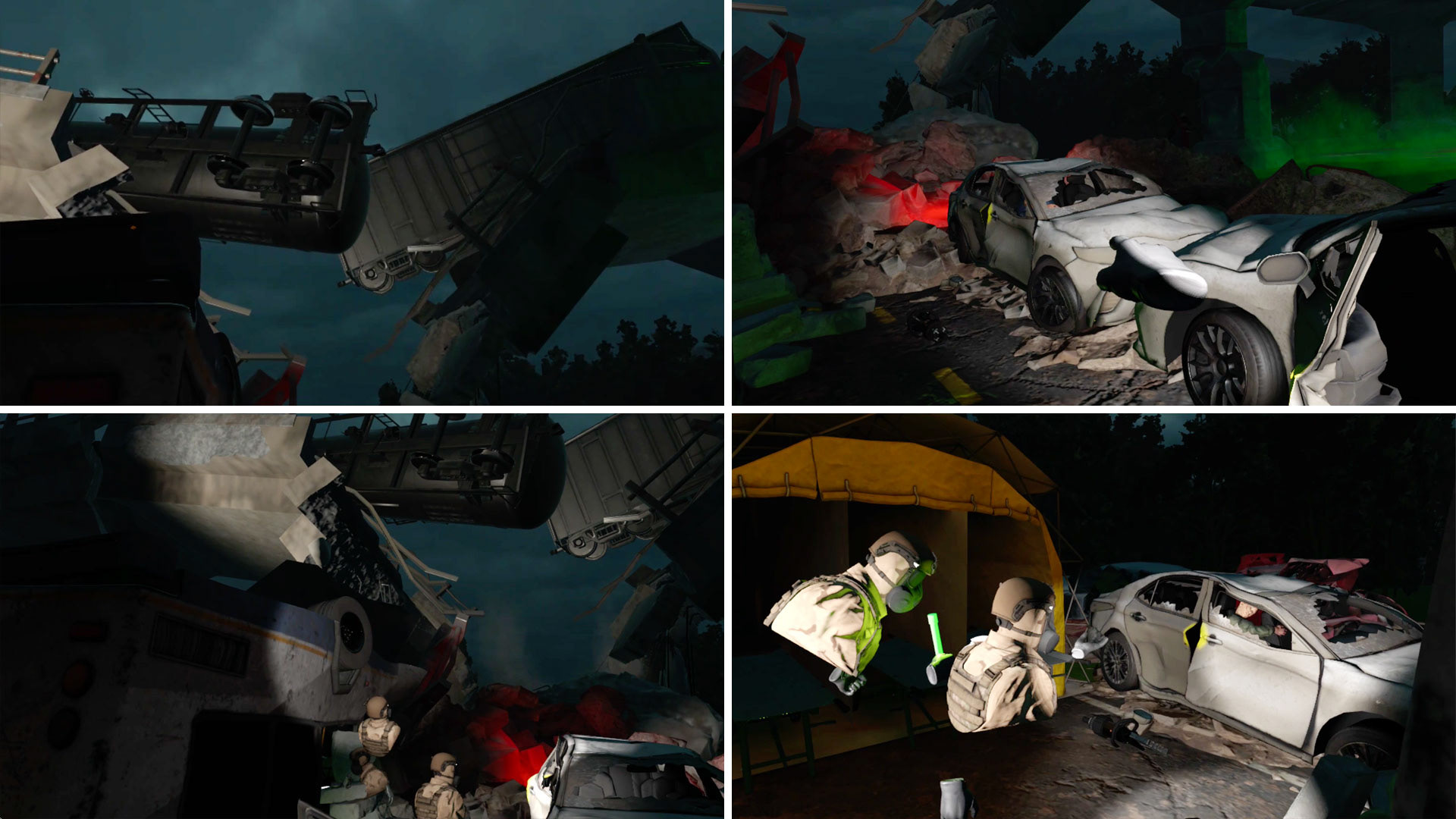
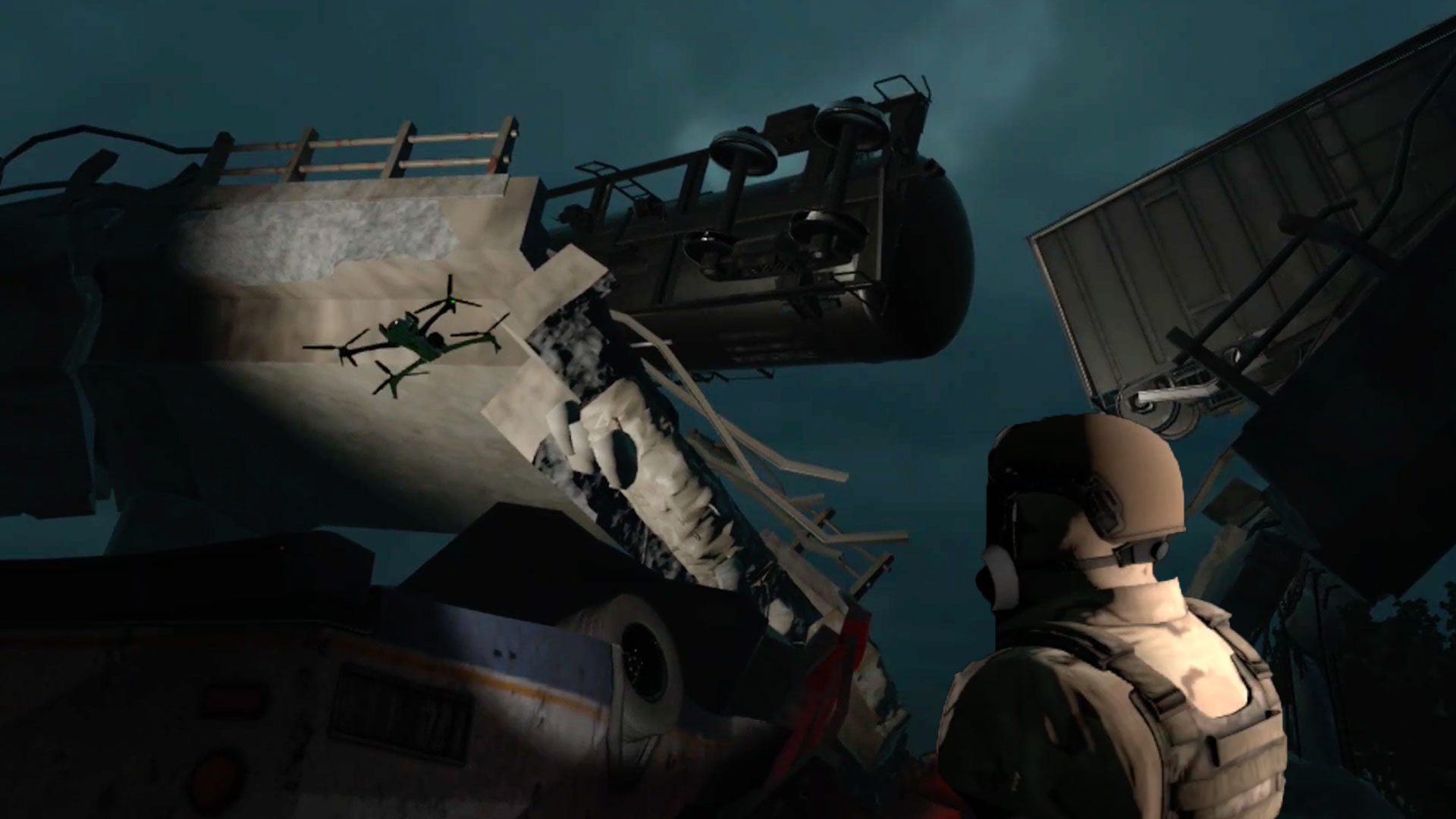
Earthquake / Train Derailment Rescue: In hazardous conditions wearing hazmat suits, players use tools like the “Jaws of Life” and chemlights to mark and extract trapped victims from overturned cars and a derailed train that hangs precariously over a bus. After rescuing passengers, they navigate to safety before a final collapse.
Blending the Virtual and the Real
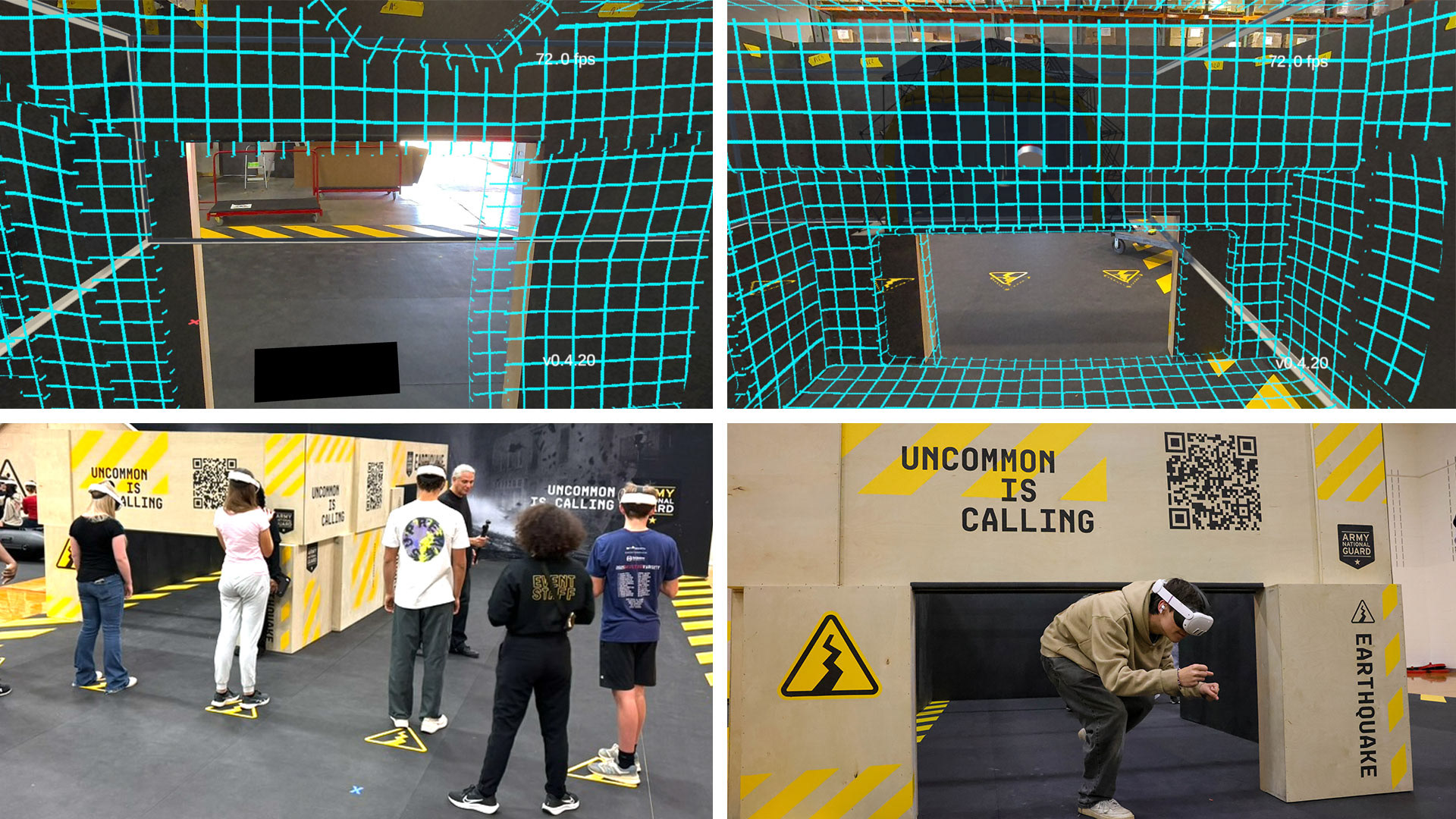
What sets Disasterville apart is its blending of VR with physical real-world props and crafted sets. Each environment uses tangible objects — a real Zodiac boat, a first-aid tent, a firetruck, modular structures — that align precisely with their virtual counterparts. The physical assets were engineered to match the digital environments with millimeter accuracy, so when participants climb into the boat or swing a virtual tool, they actually feel it beneath their hands. This hybrid approach heightens immersion and makes the experience far more visceral and believable.
Technical Architecture and Logistics
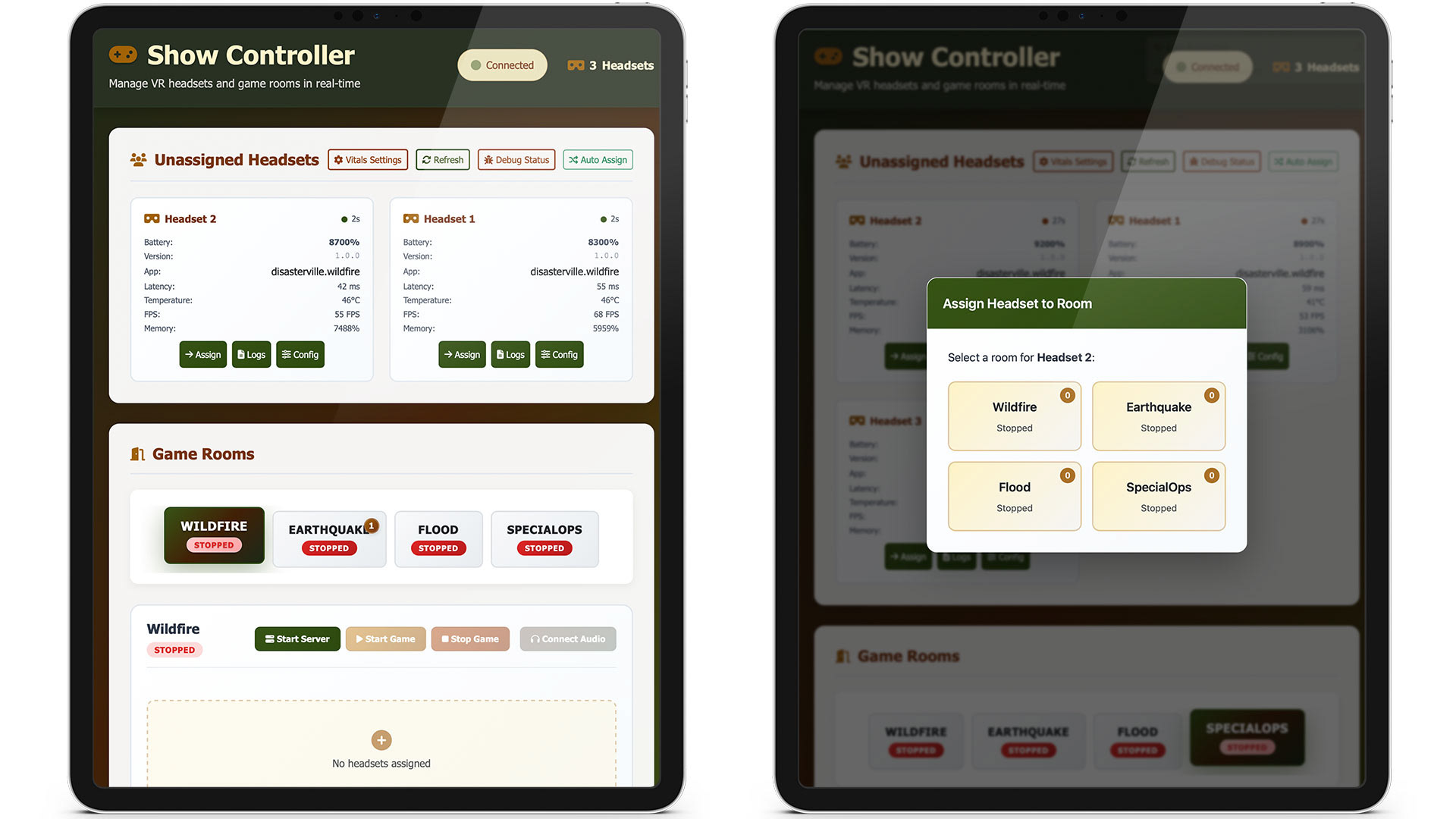
Disasterville runs on Meta Quest 3 headsets with full hand-tracking and supports synchronized multiplayer for five participants. Behind the scenes, Groove Jones deployed their proprietary GrooveTech VR platform for real-time session management and synchronization. Operations are controlled via a custom “Run of Show” tablet app allowing staff to launch, monitor, and reset sessions as needed. The setup was packaged for rapid deployment, with all hardware in transport-ready road cases and physical sets built for quick assembly — enabling a high-school gym to be transformed into a disaster response zone in roughly three hours.
An added pre-show layer comes via a mobile AR experience. Students waiting in line can scan a QR code to preview 3D models of the Disasterville environments on their phone, offering a teaser of the simulation while building anticipation for the main event.
Impact
Disasterville is more than a VR game. It’s a mission-based simulation that gives participants a palpable sense of responsibility, teamwork and courage — the same qualities required in real disaster response. By placing students “in the mission,” the experience bridges storytelling and advanced technology to reveal the critical role the Guard plays in protecting communities. It helps close the gap between perception and reality, delivering an immersive demonstration of service, leadership, and real-world impact.